Their mission is to conserve and protect Scotland’s rich heritage, involving all in this. Their strategy sets out ambitions for the years ahead, making clear their passion for Scotland’s heritage and the difference it can make to people’s lives through involvement with it.
This strategy is a culmination of over a year of hard work, research and a wide consultation process that involved their workforce, volunteers, members and stakeholders, who generously shared their thoughts on the future direction of Scotland’s leading conservation charity. Nature, Beauty & Heritage for Everyone reflects the challenges they’ve faced in recent years and sets out their ambition to champion the care of Scotland’s heritage for the benefit of all, now and for future generations.
Entrance Fees To Gladstone’s Land
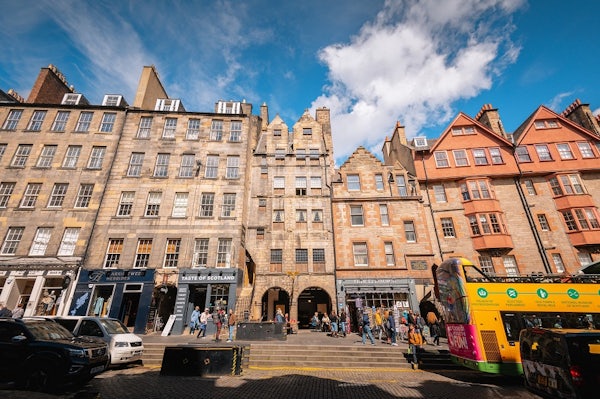
The story of Gladstone’s Land is inextricably linked to the history of commerce in Edinburgh. Over the years, the property has played host to a wide range of businesses and tradespeople, from spirit dealers to shoemakers, bakers to boarding-house keepers, and drapers to dairymen. The goods made in the property (and sold from it) indicate the prosperity of the inhabitants and give a fascinating insight into their daily lives.
Gladstone’s Land takes its name from Thomas Gladstone who purchased the tenement in 1617 with the intention of renting out the apartments. To attract the wealthiest tenants, he extended the building to the front, adding three intricate and fashionable painted wooden ceilings in the new rooms he created. These ceilings were later concealed beneath plaster and remained hidden until the 1930s, when the National Trust for Scotland bought the property and rediscovered them during renovations. All three are now on display in the house.
Gladstone’s Land was occupied by upper- and middle-class owners and tenants until the end of the 18th century, when the wealthy moved to the recently built New Town. This marked the start of a period of decline for the property, and the Old Town as a whole. By the early 20th century, the property had become so run down that it was labelled as ‘unfit for human habitation’ and scheduled for demolition before being rescued by the Trust.
During your visit you can learn about the lives and professions of residents at the property over 300 years, from 1632 to 1911, including the sights, sounds and smells that they would have experienced.
OPENING TIMES:
04/01/24-23rd December: Daily from 10.00hrs-16.00hrs.
24/12/24: 10.00hrs-12.30hrs.
10/01/25-23/12/25: Daily from 10.00hrs-16.00hrs.
Self guided tours only at 10.00hrs and 14.30hrs
Guided tours at 15.00hrs (subject to an extra charge)
Closed Dates: 25/12/24-09/01/25
